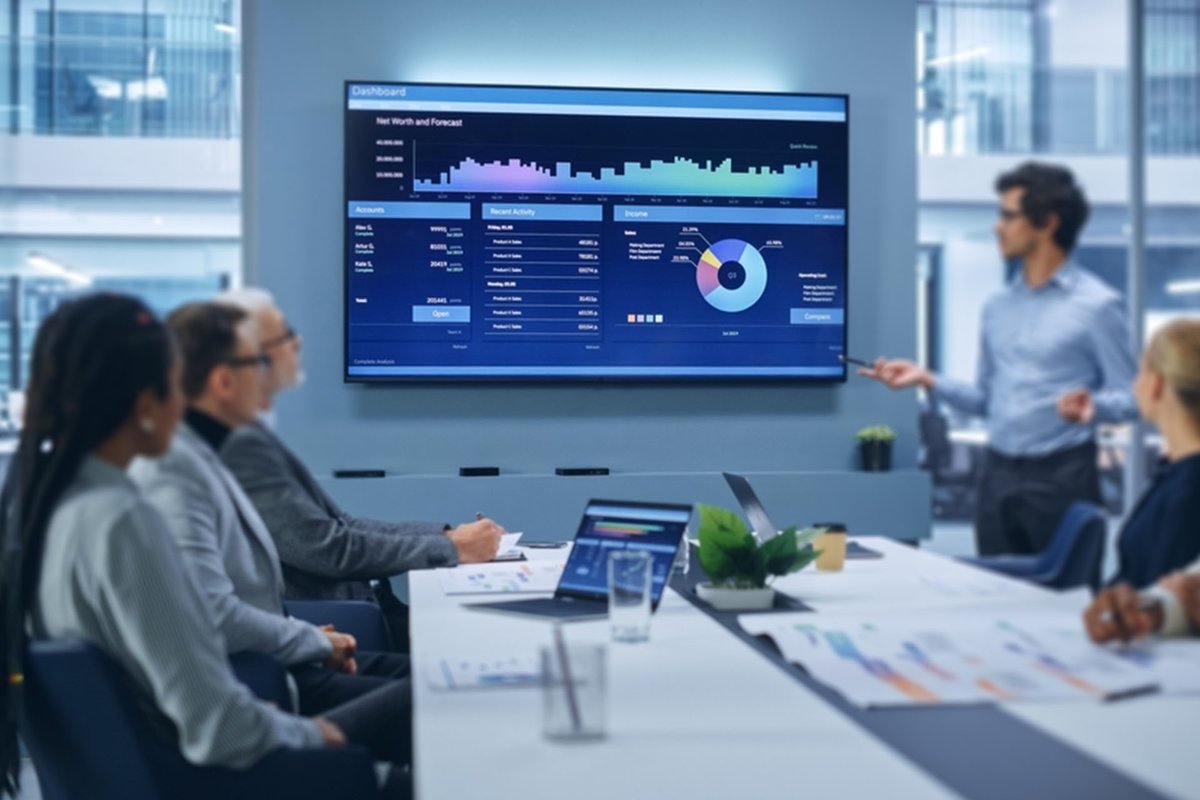
Ever attended an event where the microphone screeched, the presentation slides were blurry, or the video feed kept buffering? Conversely, recall the thrill of a perfectly lit stage, crystal-clear sound, and seamless visual transitions that made an experience unforgettable. The difference between those two scenarios? Stellar Visuals, Audio & Technical Performance. It's the invisible backbone that uplifts any gathering, from a high-stakes corporate summit to a joyous wedding, a captivating concert, or even a simple video call. This isn't just about plugging in cables; it's about crafting an immersive, impactful, and utterly seamless user experience.
Good AV isn't just a nice-to-have; it's a strategic imperative. When done right, it amplifies your message, engages your audience, and leaves a lasting positive impression. When overlooked, it can tank even the most brilliant content.
At a Glance: The Power of Polished Performance
- Beyond the "Plug & Play": Modern AV is a sophisticated blend of hardware, software, and human expertise, crucial for impactful communication.
- The Experience Makers: Stellar visuals, pristine audio, and reliable technical performance transform an event from ordinary to extraordinary.
- Core Responsibilities: From system maintenance and audio mixing to visual presentation, technical support, and innovation, AV professionals handle it all.
- Why It Matters: Boosts engagement, ensures clarity, extends reach (remote participants), and future-proofs your communication strategy.
- Stay Ahead: Embrace emerging technologies like IP-based solutions, IoT, and advanced interactive displays for a competitive edge.
The Unseen Architects of Experience: What is Visuals, Audio & Technical Performance?
At its heart, audio visual (AV) technology is the art and science of broadcasting or displaying synchronized audio and visual media. Think beyond just a projector and a speaker. We're talking about everything from the subtle hum of a perfectly tuned microphone to the immersive glow of a massive LED wall, all working in harmony to deliver information, entertain, or connect people.
Modern AV leans heavily into software, embracing IP- and cloud-based communications. This shift allows for unprecedented flexibility, global reach, and sophisticated media sharing capabilities that were once unimaginable.
Why Stellar AV Performance Isn't Optional Anymore
The benefits of investing in robust visuals, audio, and technical performance are vast and far-reaching. It’s not just about making things look or sound good; it’s about enabling richer, more efficient communication and interaction.
- Expanded Reach & Connection: AV technology transmits data across vast distances, enabling remote transactions, sophisticated media consumption, and instant global communication. Your message can reach anyone, anywhere.
- Enhanced Usability & Flexibility: Modern solutions prioritize networking and wireless capabilities, simplifying setups, reducing clutter, and making systems more adaptable.
- Higher Fidelity & Immersion: Crystal-clear sound and stunning visuals captivate audiences, making presentations more impactful and experiences more memorable.
- Cost-Effectiveness & Accessibility: As technology evolves, powerful AV solutions become more affordable and accessible, opening up professional-grade capabilities to a wider audience.
- Cultural & Business Development: By simplifying the exchange of information and ideas, AV technology plays a pivotal role in fostering innovation, collaboration, and cultural growth.
Defining the AV Landscape: More Than Just Wires and Speakers
The spectrum of AV technology is incredibly broad, evolving from simple analog setups to complex digital ecosystems.
- Modern Business Essentials: This category includes everything from sophisticated videoconferencing tools that power global teams to "telephony" devices, manufacturing automation driven by the Internet of Things (IoT), and automated camera networks for security or analytics. Wireless and advanced networking technologies are rapidly becoming the bedrock of professional AV.
- Traditional Cornerstones: These are the familiar tools that have long defined quality media experiences: home theaters, immersive surround sound systems, high-fidelity audio setups, professional audio recording equipment, powerful Digital Audio Workstations (DAWs), and versatile Video Editing Software (VEW).
- Vintage/Analog Echoes: While largely supplanted by digital, vintage technology like tape machines, analog processing equipment, and wired components managed by intricate patch bays still hold a niche for their unique sonic characteristics and tactile appeal in certain creative fields.
Beyond the Basics: The Pillars of Exceptional AV Performance
Achieving truly stellar visuals, audio, and technical performance requires a multi-faceted approach, touching upon a wide array of responsibilities and objectives. Think of these as the ten commandments for anyone serious about delivering impactful AV.
1. Flawless System Functionality: The Invisible Foundation
The most advanced AV system is useless if it doesn't work. The core of superior performance lies in ensuring every component is not just present but perfectly functional. This means consistent vigilance.
- Regular Inspections & Maintenance: Proactive checks prevent emergencies. This includes everything from cleaning lenses to updating software and testing connections.
- Immediate Troubleshooting: When issues arise, quick and effective diagnosis is paramount. An experienced AV technician can pinpoint a problem, whether it's a loose cable or a software glitch, and resolve it rapidly.
- Pre-Event Verification: Compatibility and performance must be confirmed before the show. This includes checking audio equipment, network connectivity, and digital signage to eliminate surprises. Adhering to industry best practices here isn't just a suggestion; it's a requirement for reliability.
2. The Art of Sound: Mastering Audio Management
Audio isn't just about hearing; it's about feeling. Poor sound quality can destroy an audience's focus faster than almost anything else. Achieving excellence in audio production is a nuanced craft.
- Optimal Fidelity & Level Adjustment: Sound levels need constant monitoring and adjustment to suit the space, the content, and the audience, ensuring every voice and note is heard perfectly.
- Eliminating Feedback & Ambient Noise: The dreaded microphone screech or distracting background hum can ruin an experience. Skilled audio management actively prevents these issues, creating a clean soundscape.
- Quality Throughout Event Spaces: Whether it's a small breakout room or a vast auditorium, sound quality must be consistent. This includes expert mixing for live audiences and ensuring pristine audio for recordings like voiceovers and podcasts.
3. Seeing is Believing: Crafting Impeccable Visual Presentations
What your audience sees is often their first and strongest impression. Visuals need to be clear, engaging, and flawlessly presented.
- Precision Installation & Configuration: Projection and display systems require exact installation and calibration. This means correct alignment, focus, and brightness for optimal viewing.
- Aspect Ratio & Lighting Mastery: Verifying visual media aspect ratios ensures content isn't stretched or distorted. Accurately adjusting lighting levels creates the right mood and ensures visibility without glare.
- Special Effects & Post-Production: Implementing green screen technology for special effects or overseeing the post-production workflow for video editing ensures timely distribution of recorded content, adding professional polish.
4. Seamless Collaboration: Partnering for Success
No great event happens in a vacuum. AV professionals are key collaborators, bridging technical capabilities with creative visions.
- Productive Partnerships: Developing strong relationships with event planners, IT departments, marketing teams, graphic design teams, and production crews is essential. This ensures a deep understanding of needs, seamless integration of technical elements, and high-quality content delivery.
- Strategic Alliances with Vendors: Cultivating relationships with external AV equipment vendors provides access to reliable resources, cutting-edge gear, and often, more cost-effective solutions.
5. Empowering Users: Technical Support & Training
Even the most intuitive systems can present challenges. Providing robust support and training empowers presenters and users, making them more confident and effective.
- Seamless Technical Support: Presenters, whether on-site or remote, need immediate, expert assistance during live events. This means being available and responsive to keep everything running smoothly.
- Comprehensive Training Sessions: New hires and team members benefit from training on equipment operation, maintenance, and basic troubleshooting. This enhances their competency and reduces reliance on dedicated technicians for minor issues.
- Enhancing Presenter Competency: Beyond basic operation, coaching presenters on how to best utilize AV tools can significantly elevate their delivery and audience impact.
6. Strategic Asset Management: Equipment & Inventory
Just like a chef needs the right ingredients, an AV team needs the right tools, meticulously managed.
- Proactive Needs Assessment: Continuously assessing technological needs ensures the right equipment is available for current and future demands.
- Accurate Inventory Records: Meticulous record-keeping tracks every piece of equipment, from purchase to maintenance to eventual retirement.
- Methodical Organization & Secure Storage: Post-event, equipment must be organized, cleaned, and stored securely to prevent damage or loss.
- Thorough Pre-Event Inspections: Before any event, every piece of equipment and every connection undergoes a rigorous inspection to guarantee readiness.
7. Staying Ahead: Innovation & Compliance
The AV landscape is constantly evolving. Staying current is not just a perk; it’s a necessity for continued excellence and relevance.
- Understanding Emerging Technologies: A thorough grasp of new AV technologies, from advanced projection mapping to virtual production techniques, keeps capabilities cutting-edge.
- Industry Trends & Regulations: Awareness of broader industry trends, alongside copyright regulations and intellectual property rights, ensures all operations are both innovative and compliant.
- Assessing New Equipment: Systematically evaluating new equipment before acquisition, implementing innovative AV solutions, and adhering to accessibility standards for all materials ensures forward momentum. For example, understanding how different media formats and delivery systems impact user experience is crucial, whether you're setting up a live conference or even assessing the technical performance aspects of something like our Sonic X Shadow Generations review.
8. Operational Excellence: Delivering Without a Hitch
Execution is everything. The ability to manage logistics, respond to crises, and maintain continuity defines operational excellence.
- Optimal Efficiency & Seamless Execution: This involves efficient management of AV schedules and flawless execution of both virtual and live streaming events.
- Rapid Response & Troubleshooting: When equipment fails, a quick and effective response is critical to maintaining operational continuity and minimizing disruption.
- Robust Security Protocols: Implementing strong security for all AV systems protects against unauthorized access, data breaches, and system vulnerabilities.
9. Clear Pathways: Documentation & Communication
Information is power, and clear communication is the conduit.
- Comprehensive Documentation: Developing detailed documentation for various AV scenarios, technical manuals for equipment, and service guides ensures consistency and knowledge transfer.
- Proactive Communication: Fostering clear, proactive communication with colleagues and stakeholders ensures all technical requirements are understood and met, preventing miscommunications and costly errors.
10. Measuring Impact: Engaging Your Audience
Ultimately, all the technical prowess serves one purpose: to engage the audience.
- Evaluating Audience Reactions: Consistently assessing audience reactions and engagement metrics provides valuable feedback to enhance presentation quality and overall event success.
- Interactive Displays & Modern Technologies: Implementing engaging interactive displays using modern technologies like touchscreens, augmented reality, or even audience polling systems can transform passive viewing into active participation.
Common Pitfalls to Sidestep for Superior Performance
Even with the best intentions, things can go wrong. Being aware of common pitfalls can save you time, money, and reputation.
- Underestimating Setup Time: Rushing installation leads to overlooked details, loose connections, and last-minute panic. Always budget generous time for setup, testing, and rehearsals.
- Ignoring Acoustics and Room Dynamics: A powerful sound system won't compensate for a reverberant room or poor speaker placement. Understand the venue's acoustics and adjust your audio strategy accordingly.
- Overlooking Network Reliability: For modern IP-based AV, a stable and robust network is non-negotiable. Don't skimp on bandwidth or network infrastructure, especially for streaming or cloud-based solutions.
- Failing to Back Up Critical Systems: What happens if the primary projector fails? Or the main audio mixer? Always have backup equipment, power solutions, and contingency plans in place for critical components.
- Neglecting User Training: Handing presenters a remote without a quick walkthrough is a recipe for awkward pauses. Provide brief, targeted training or clear instructions.
- Lack of Communication: Assumptions kill events. Clear, continuous communication between the AV team, event organizers, presenters, and other stakeholders is crucial from planning to execution.
Future-Proofing Your Approach: Emerging Trends in AV
The world of AV is dynamic, driven by rapid technological advancements. Staying informed about emerging trends isn't just about being cutting-edge; it's about making smart, long-term investments.
- The Rise of Software-Defined AV (SDAV): Hardware is becoming more generic, and intelligence is shifting to software. This allows for greater flexibility, scalability, and easier updates, transforming how systems are designed and managed.
- IP- and Cloud-Based Communications: The transition from traditional AV cabling to network-based solutions (AV over IP) offers unprecedented flexibility, remote management capabilities, and easier integration with IT infrastructure. Cloud-based platforms enable remote monitoring, content distribution, and collaborative workflows.
- Increased Focus on User Experience (UX): Intuitive interfaces, simplified control systems, and personalized experiences are paramount. AV systems are becoming smarter, anticipating user needs and adapting environments automatically.
- AI and Machine Learning Integration: AI is enhancing everything from intelligent camera tracking for presentations to automated audio mixing, predictive maintenance, and personalized content delivery based on audience analytics.
- Virtual and Augmented Reality (XR): Beyond simple green screens, XR technologies are creating truly immersive experiences for events, training, and remote collaboration, blending physical and digital realities.
- Sustainability and Energy Efficiency: There's a growing demand for eco-friendly AV solutions, including energy-efficient displays, power management systems, and sustainable equipment lifecycle practices.
Making the Right Choices: Questions to Ask Before Your Next AV Investment
Before you commit to new AV equipment or services, asking the right questions can clarify your needs and ensure a wise investment.
- What's the primary goal? Are you enhancing engagement for a large audience, improving remote collaboration, or creating an immersive display? Your goal dictates the technology.
- What's the environment? Will the system be used in a brightly lit room, a dark auditorium, indoors, outdoors? Acoustics, ambient light, and room size are critical considerations.
- Who will be using it, and what's their technical comfort level? Complex systems might require dedicated operators, while simpler interfaces empower self-service.
- What existing infrastructure do we have? Can the new AV integrate seamlessly with current IT networks, power systems, and control setups?
- What's our budget, not just for acquisition, but for maintenance and upgrades? Factor in long-term costs, including support contracts, software licenses, and potential future expansions.
- What level of reliability and redundancy do we need? For mission-critical events, backups and robust systems are non-negotiable.
- How scalable and flexible does this solution need to be? Will your needs grow? Can the system adapt to different types of events or content?
- What kind of support and training does the vendor offer? Post-purchase support is as important as the initial sale.
Elevating Every Moment: Your Call to Action
The world has moved beyond basic presentations. Today, every interaction, every event, every piece of content is an opportunity to captivate, inform, and inspire. Stellar visuals, audio, and technical performance are no longer a luxury—they are the bedrock of effective communication and memorable experiences.
Whether you're planning your next big event, upgrading your office's meeting rooms, or seeking to enhance your digital presence, prioritize your AV strategy. Invest in the right technology, empower your teams with proper training, and partner with experts who understand the nuances of sound, sight, and seamless execution. By doing so, you won't just deliver a message; you'll deliver an experience that resonates long after the final slide disappears and the last note fades. Make every moment count.